
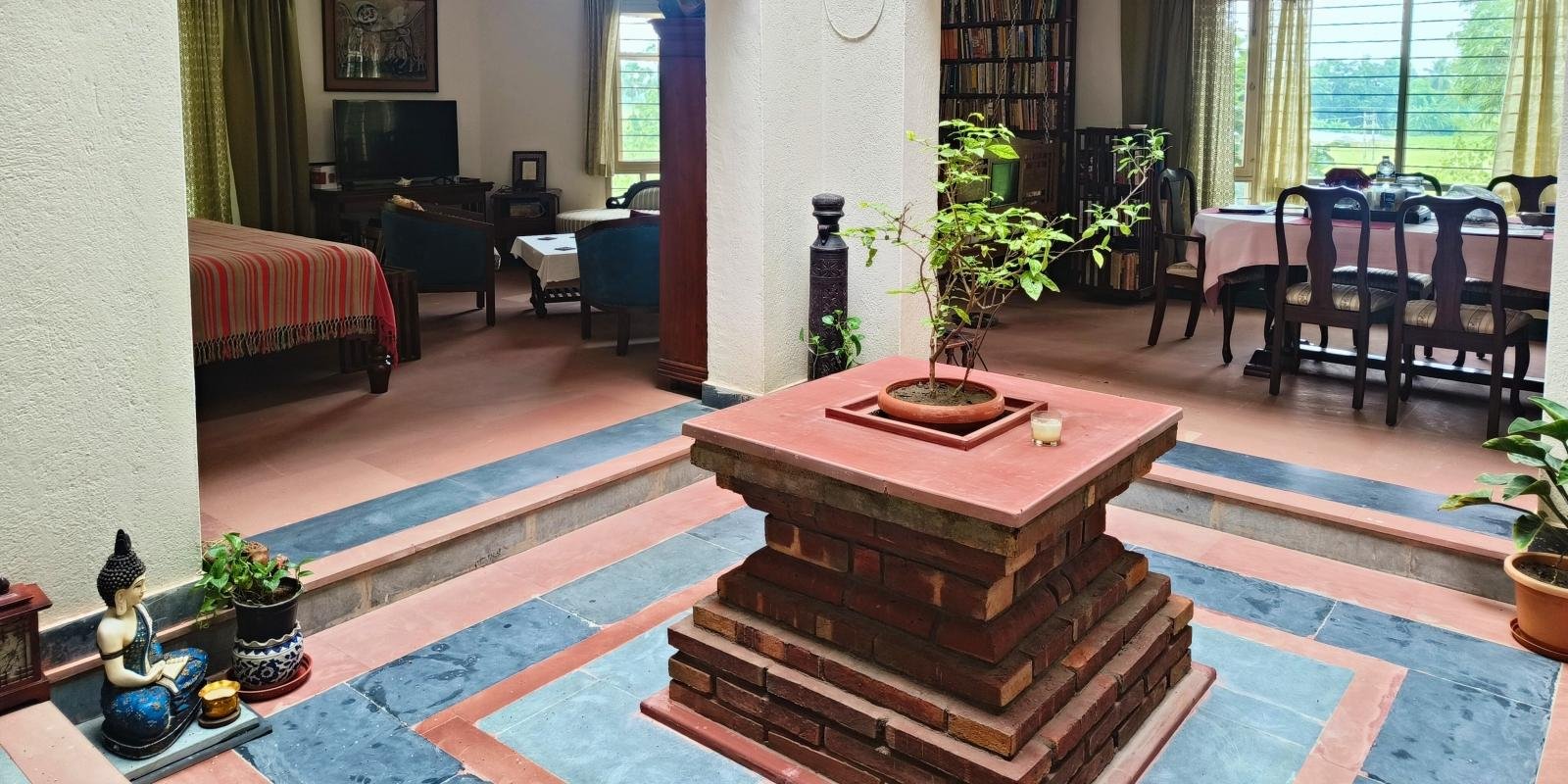
The Appropriate Alternative (TAA) is an architecture and design practice shaped by over four decades of research, documentation, and multidisciplinary design exploration. More than a methodology, TAA is a design philosophy that advocates responsible decision-making at every stage of a project — ensuring that each intervention is context-sensitive, sustainable, and future-focused.
Our approach critically examines the relationship between site, context, user aspirations, stakeholders, and the larger community to create design solutions that are thoughtful, negotiated, and regenerative. We believe architecture must respond not only to immediate functional needs, but also to broader environmental, cultural, and social responsibilities.
At the core of TAA is the idea of transforming waste into asset — rethinking conventional development practices that often lead to displacement, reconstruction, and resource depletion. By recognising overlooked resources, heritage, traditional skills, and existing ecological systems as opportunities rather than constraints, we strive to create meaningful design interventions that generate long-term value.
TAA views design as a collaborative and co-productive process, where dialogue and negotiation shape every outcome. This philosophy has informed projects across scales, complexities, and disciplines, earning recognition and awards for a distinctive practice rooted in innovation, responsibility, and sustainable transformation.
Through The Appropriate Alternative, we continue to explore architecture as a catalyst for creating built environments that are intelligent, resilient, and deeply connected to people and place.