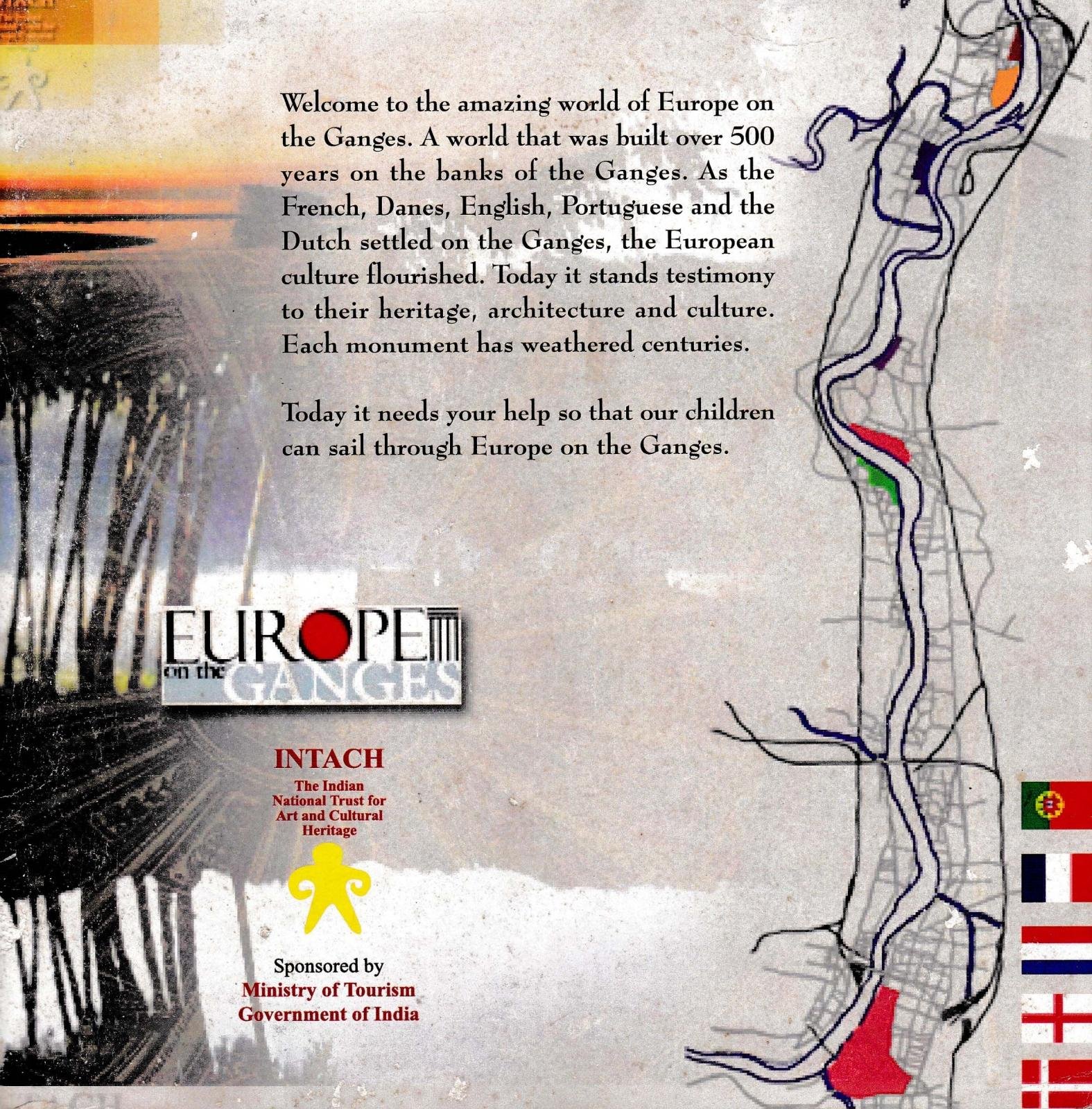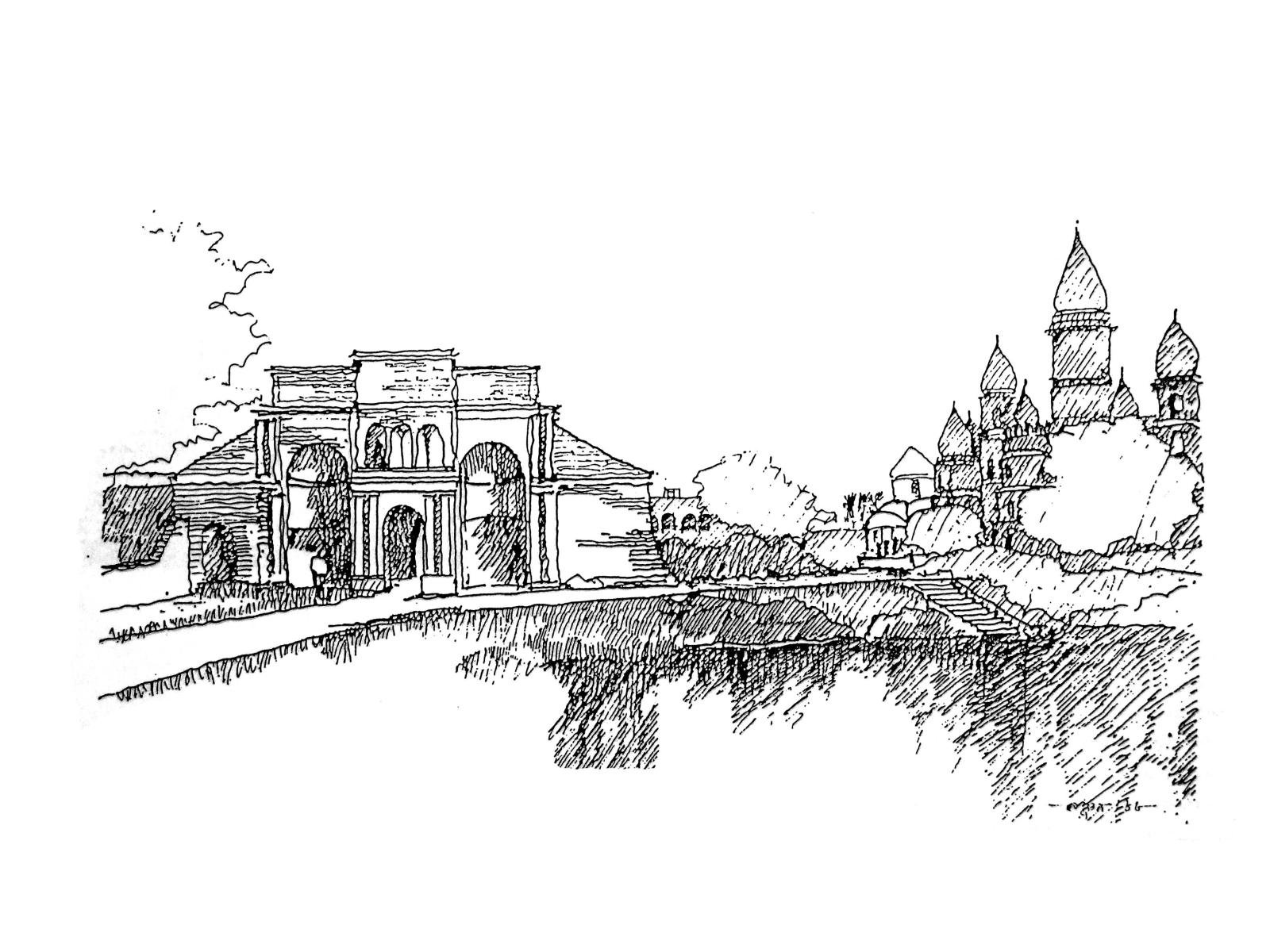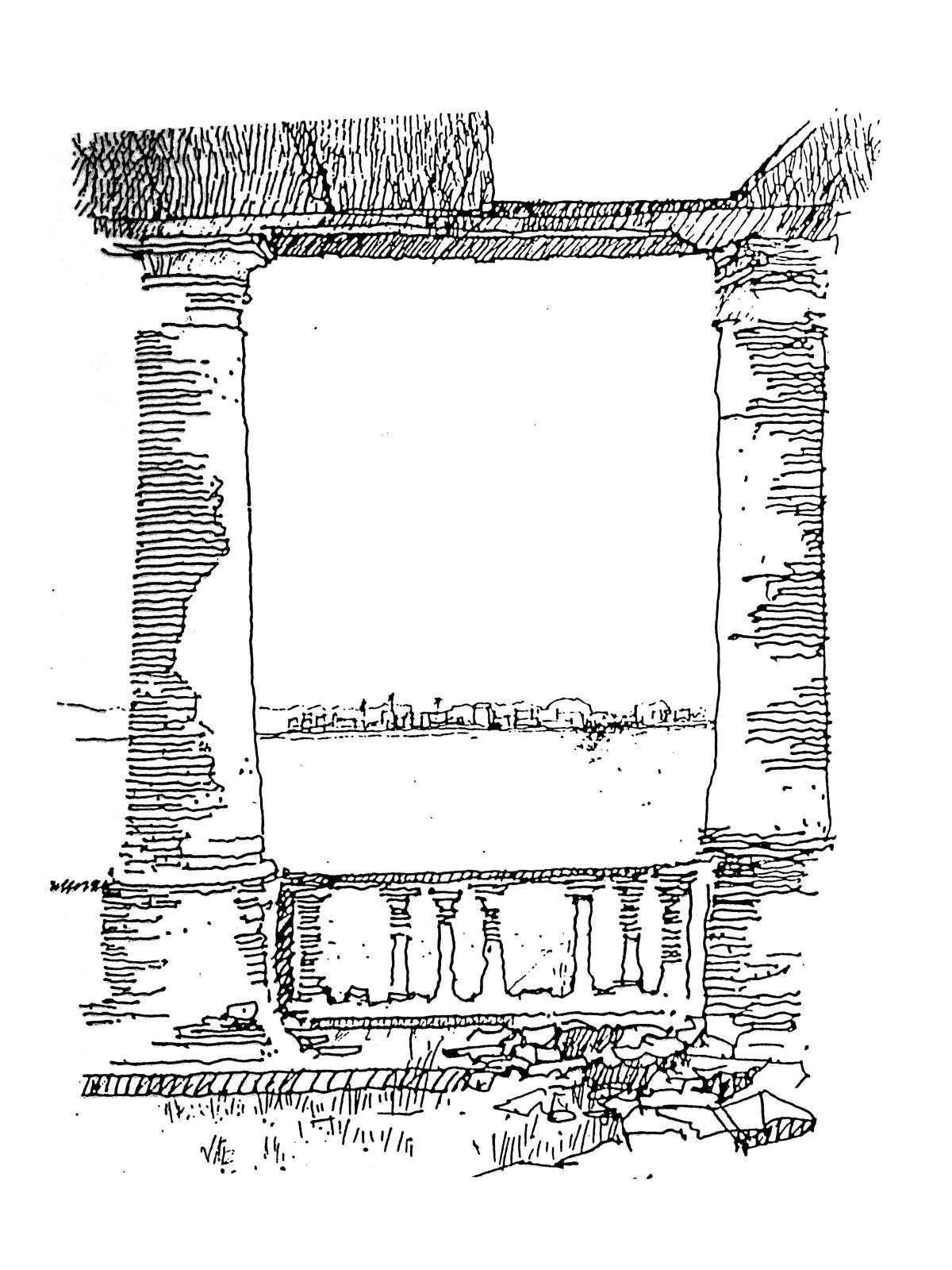
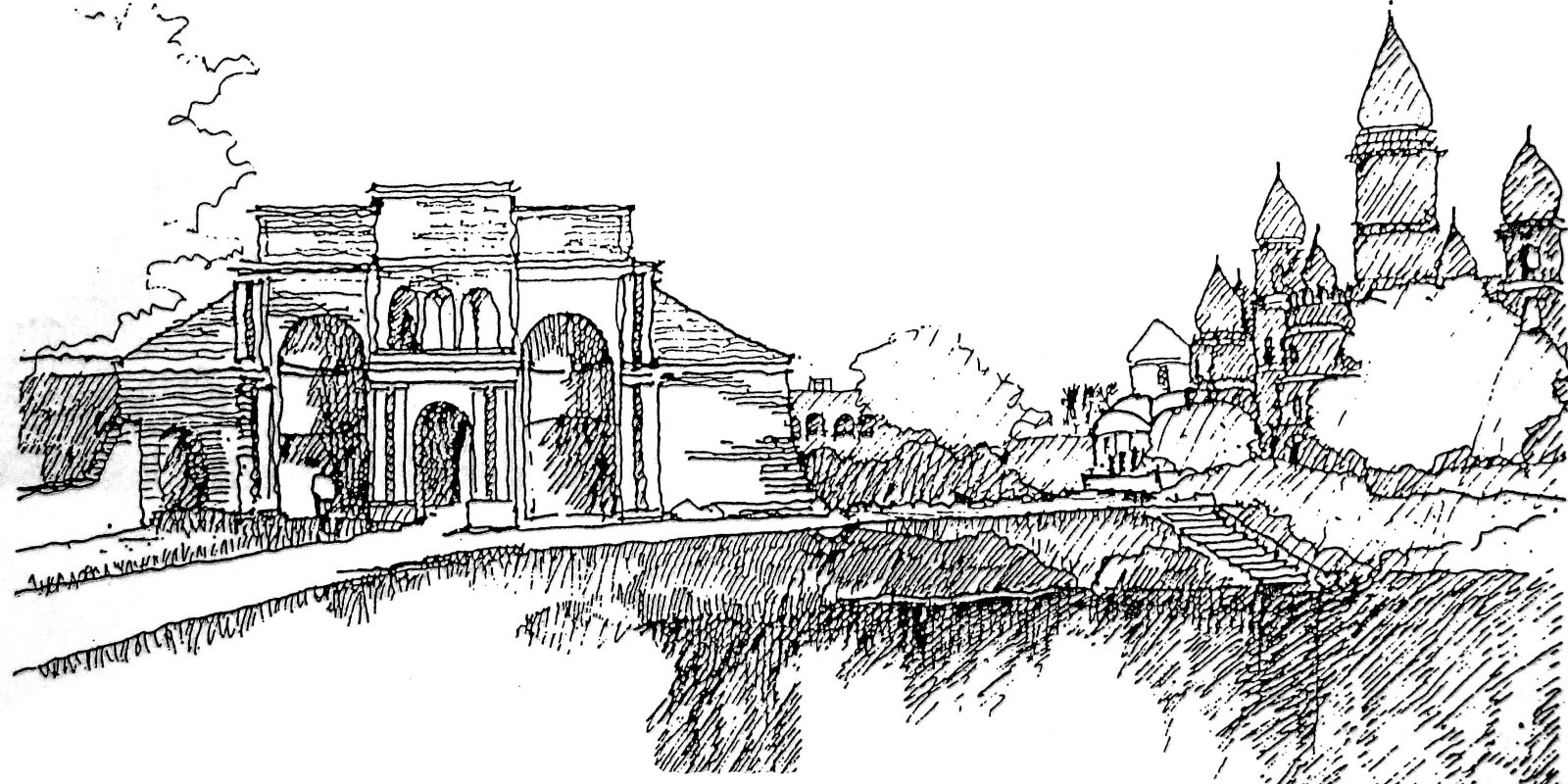
Europe on the Ganges is a research and dissemination project that explores the remarkable cultural and architectural landscape stretching approximately 300 kilometres upstream from Kolkata along the banks of the Ganges.
This riverine corridor preserves an extraordinary legacy of colonial encounters, where over five centuries of interaction shaped a unique cultural-spatial environment marked by layered negotiations of power, commerce, politics, and cultural exchange.
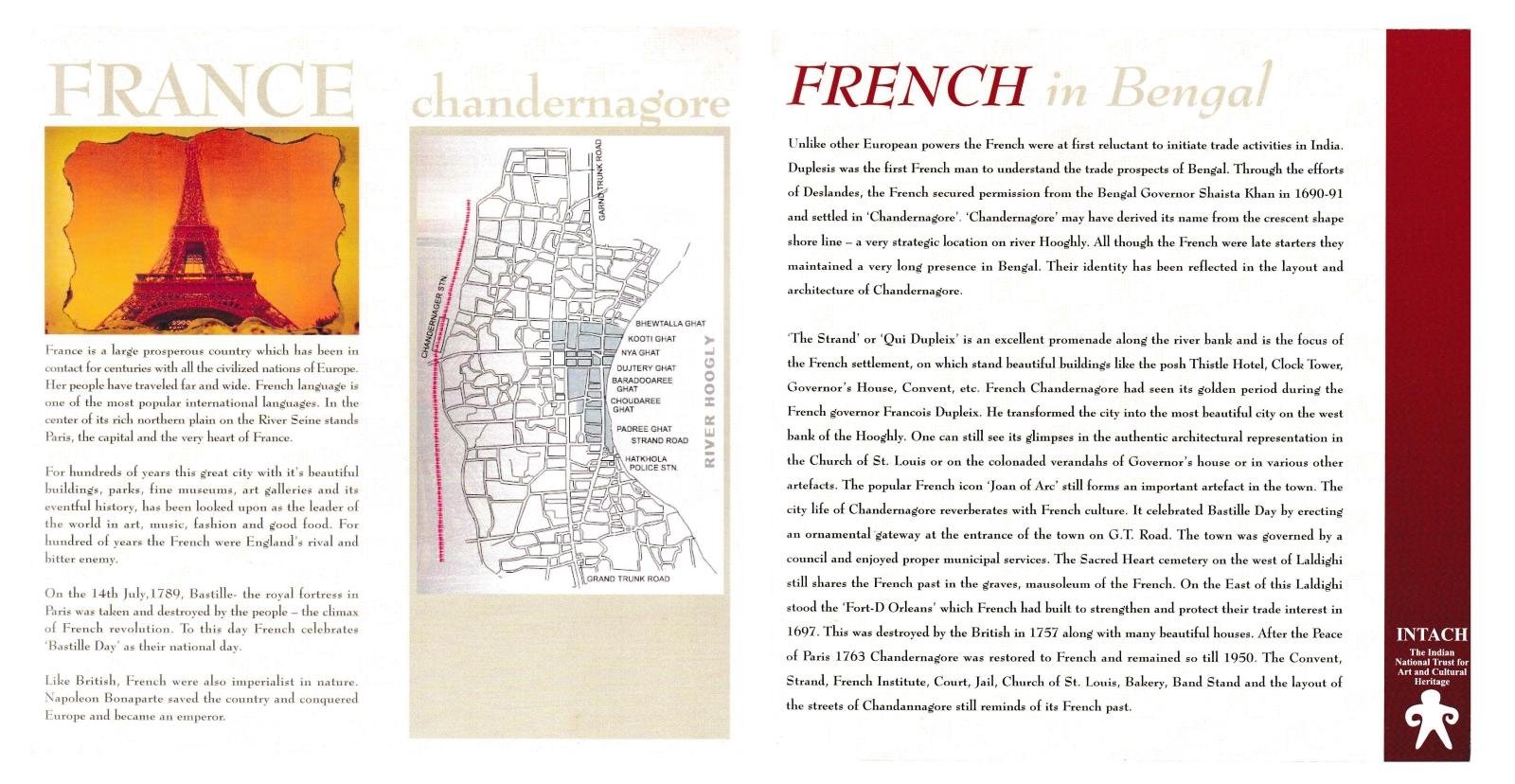
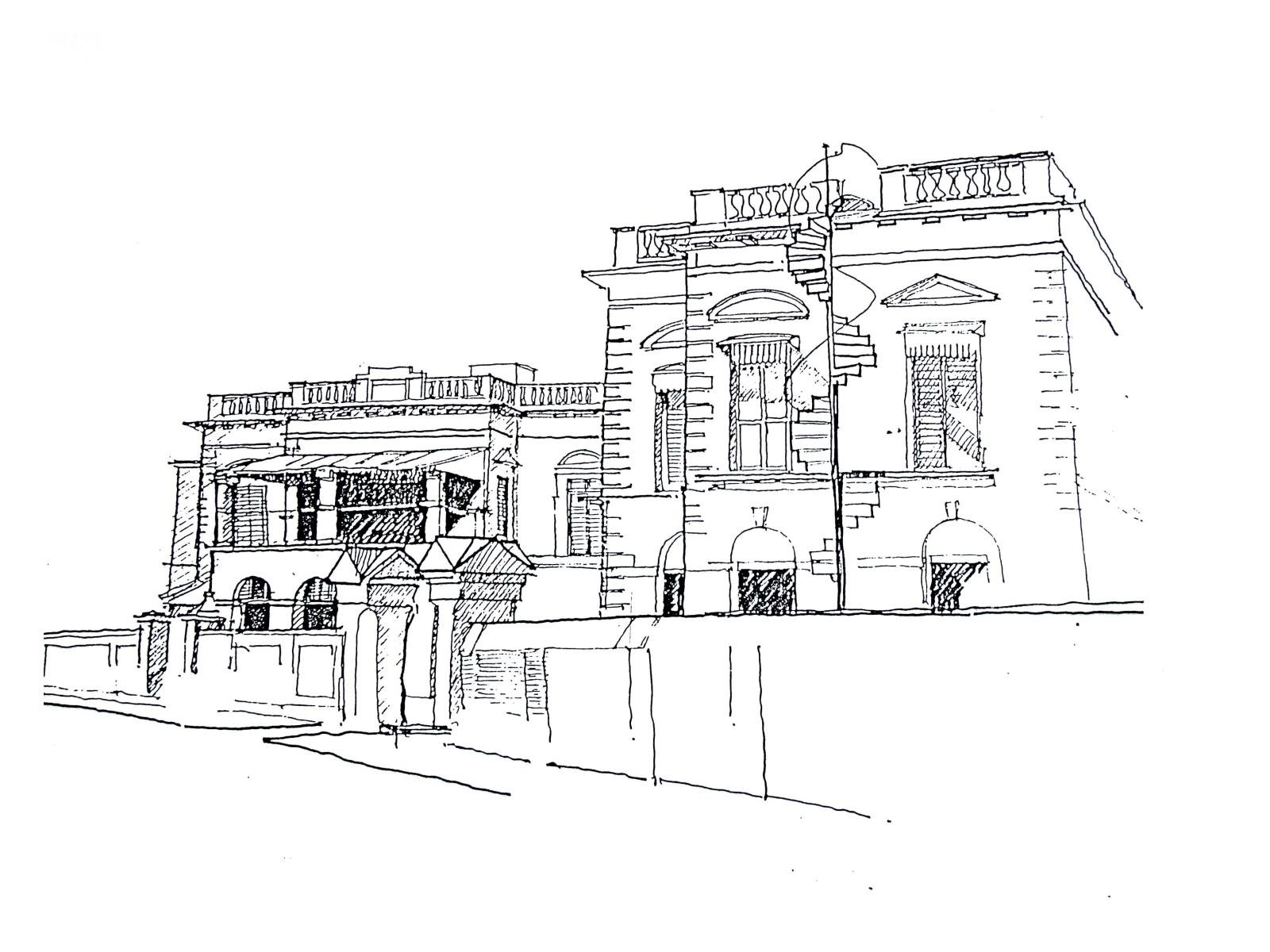
Across this region, a constellation of historic towns bears the imprint of multiple European influences—including England, France, Denmark, Netherlands, and Portugal—whose architectural, urban, and cultural traces remain embedded in the landscape.
The project documents these settlements as living repositories of a complex shared heritage, examining their historical evolution and contemporary condition.
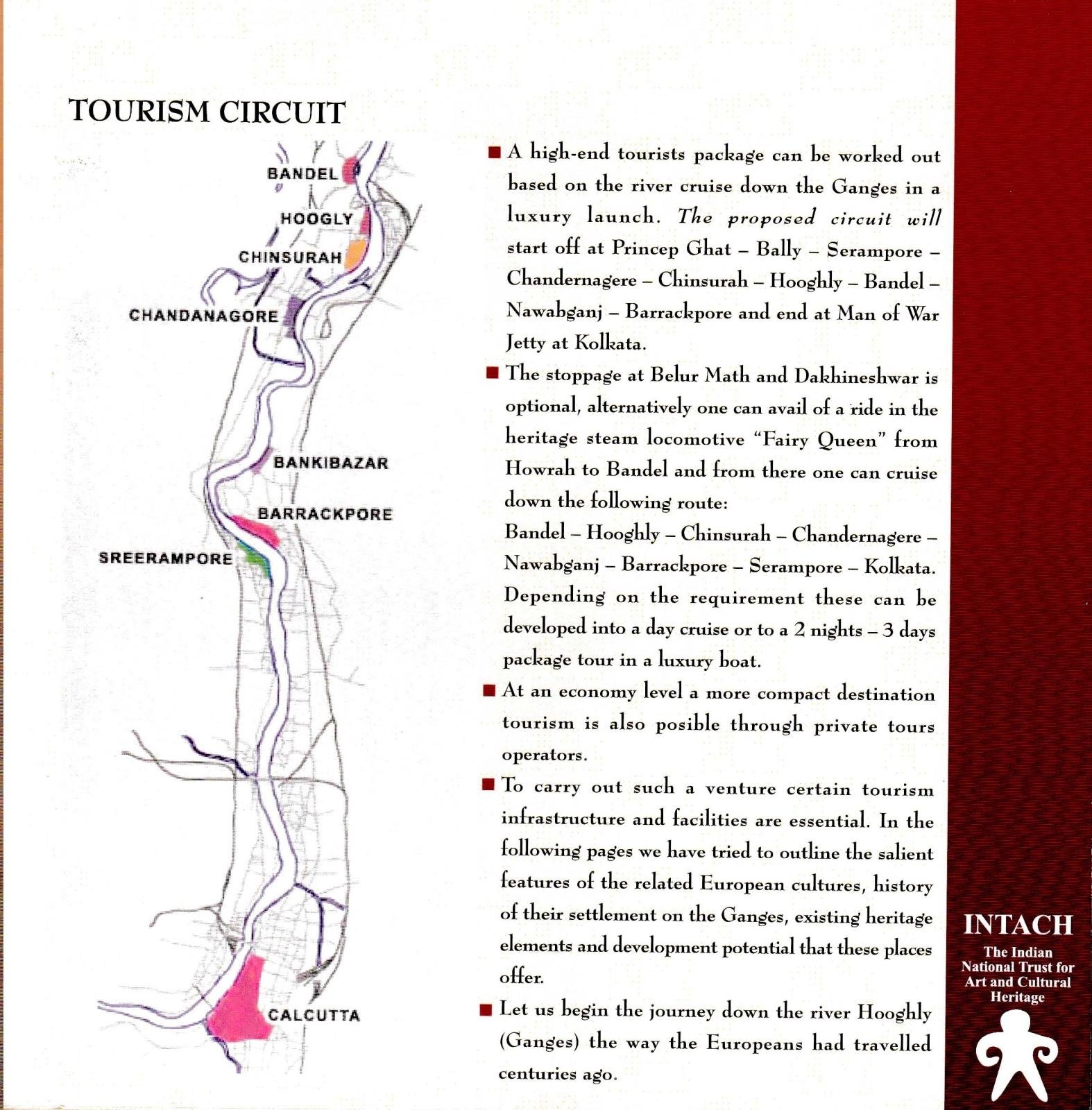
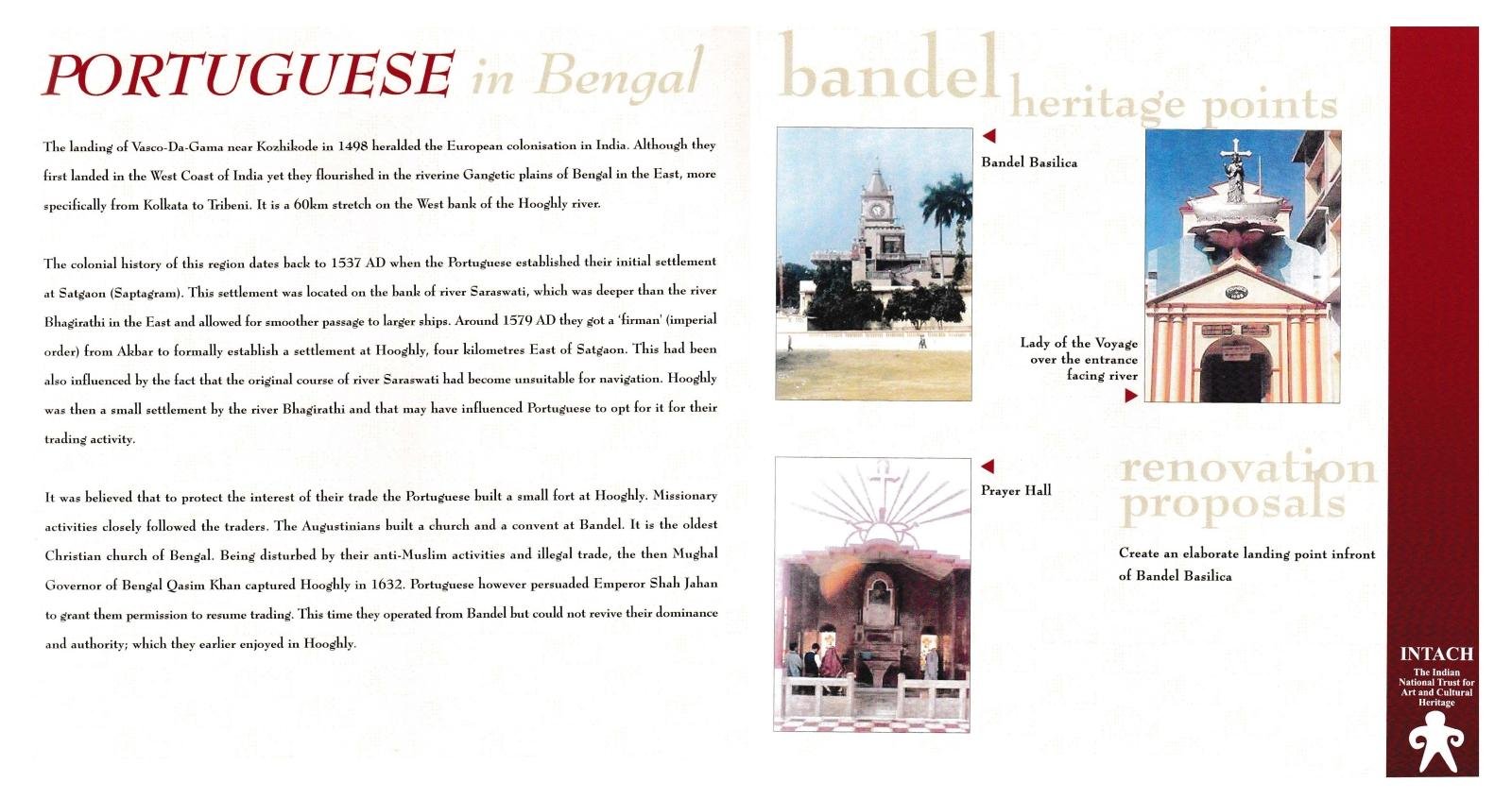
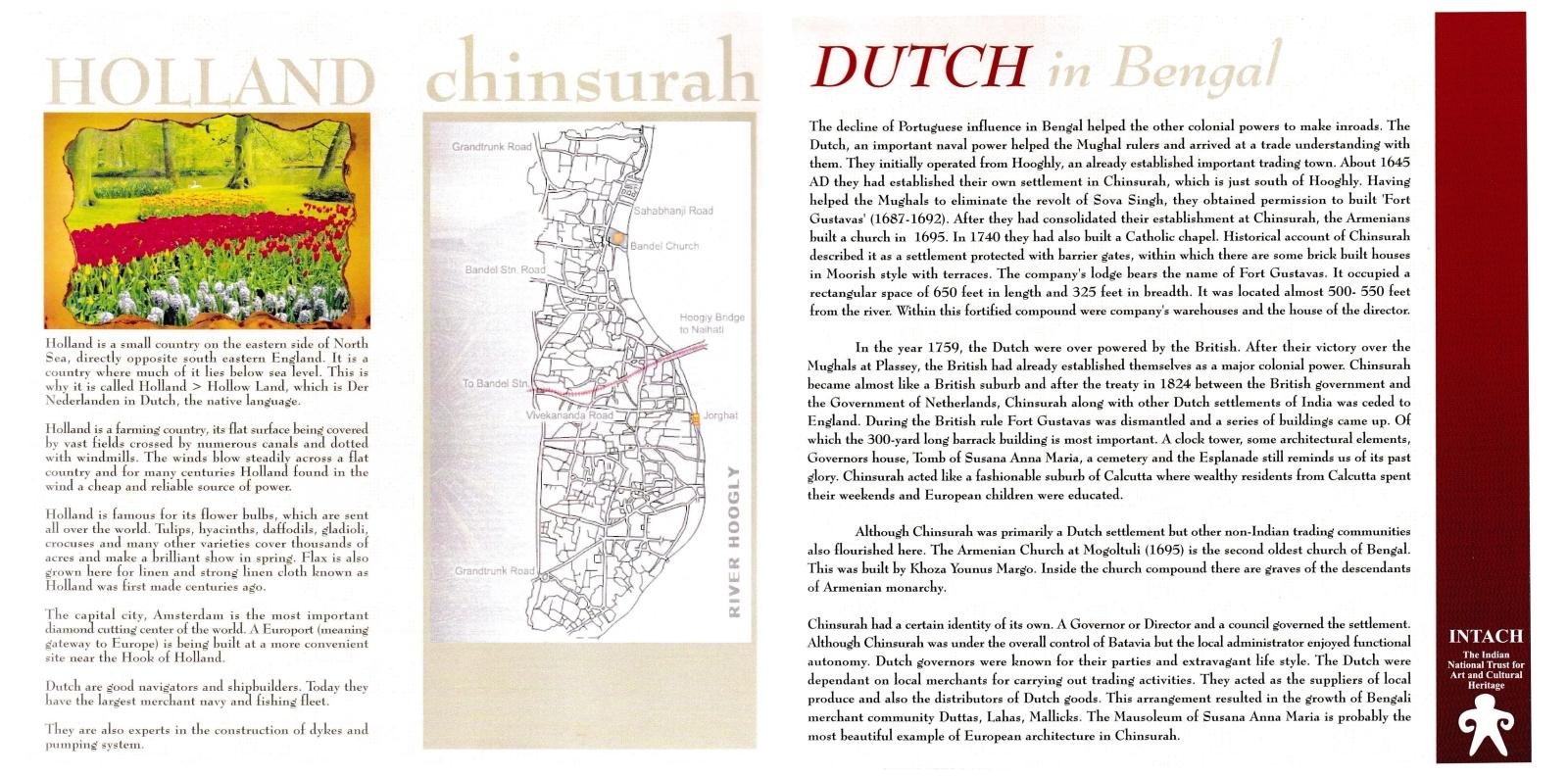
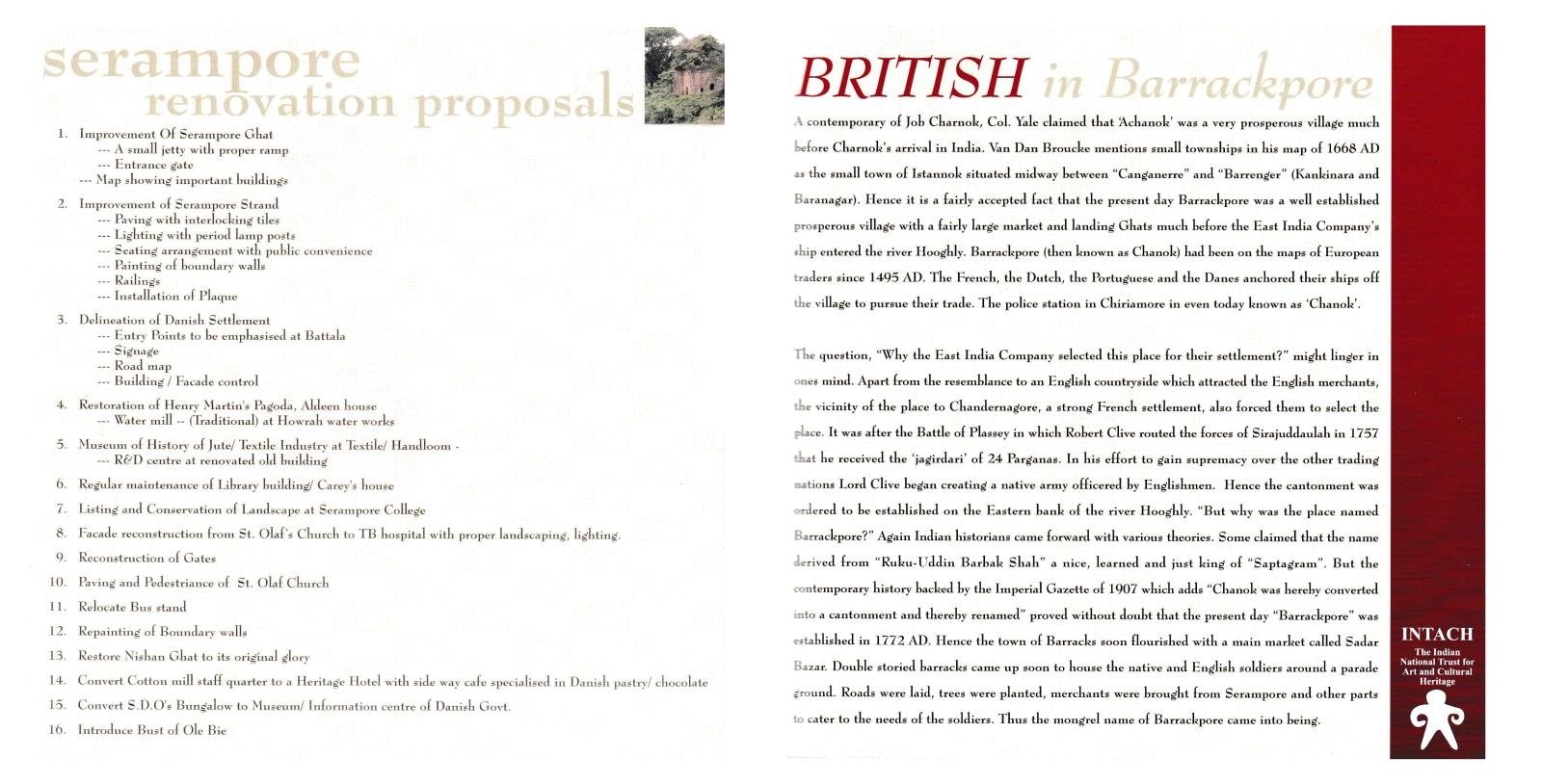
The study presents detailed accounts of towns such as Bandel, with its Portuguese legacy; Chandannagar, shaped by French influence; Chinsurah, with its Dutch associations; and Barrackpore, reflecting the British colonial presence.
Through these case studies, the document analyses both the architectural significance of these built environments and the varying states of preservation in which they exist today.
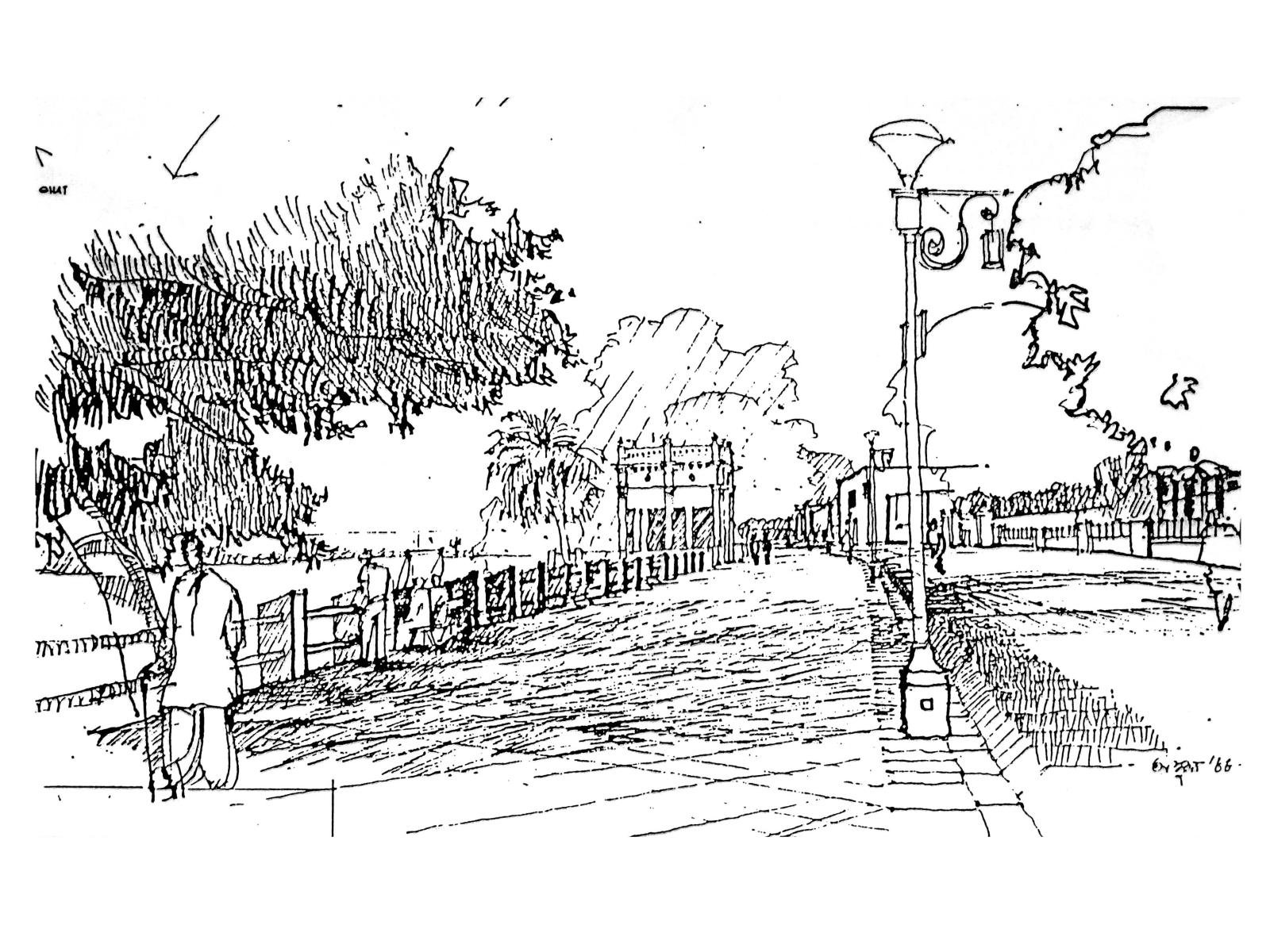
Beyond documentation, the research also proposes strategies for the sensitive adaptive reuse of this historic infrastructure, particularly in relation to heritage tourism. It explores how these layered cultural landscapes can be responsibly activated as educational and tourism assets without compromising their historical integrity.
The project builds upon earlier scholarship published as Euro-Indian Urbanism on the Banks of the River Ganges by Rajat Ray and Anjan Mitra.
It contributes to a broader understanding of the Ganges corridor as a unique transnational cultural landscape—one that reflects centuries of exchange and coexistence.
- Location: Kolkata and Hooghly River Corridor
- Category: Research
- Client: Indian National Trust for Art and Cultural Heritage
- Sponsored By: Ministry of Tourism
- Year: 2007