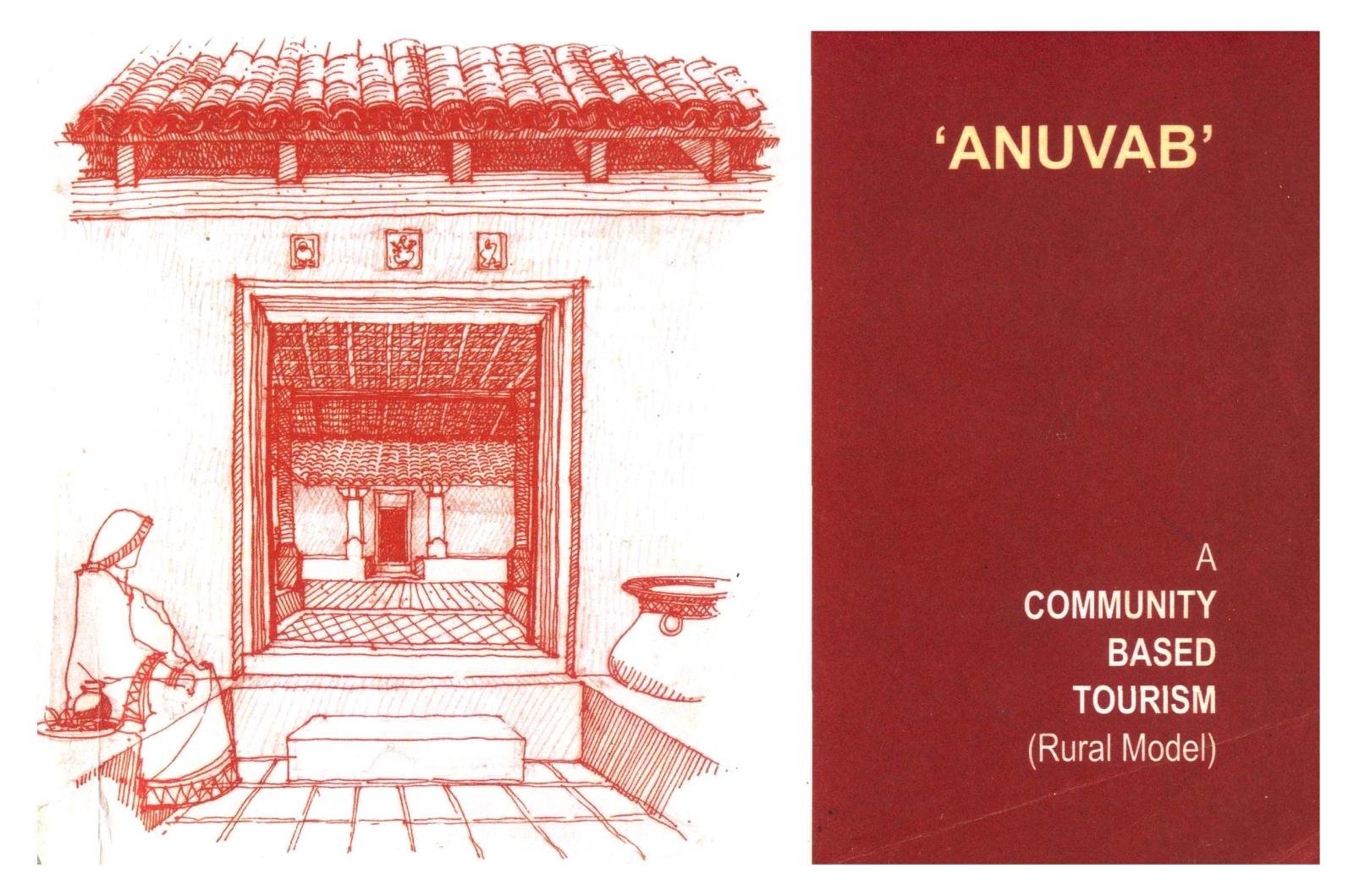
Grameen Anubhav is a comprehensive manual on community-based rural tourism, developed to establish an effective methodology for the conceptualisation, implementation, and long-term operation of such initiatives across India.
Commissioned by the Ministry of Tourism, the manual responds to the growing need for structured frameworks that ensure rural tourism initiatives generate meaningful and sustained benefits for local communities.
While many rural tourism projects operate independently across the country, this manual was designed to provide a practical set of guidelines, processes, and methodologies that maximise community participation, ownership, and economic benefit.
At its core, the manual advocates for a tourism model that is environmentally sensitive, socially inclusive, and culturally respectful.
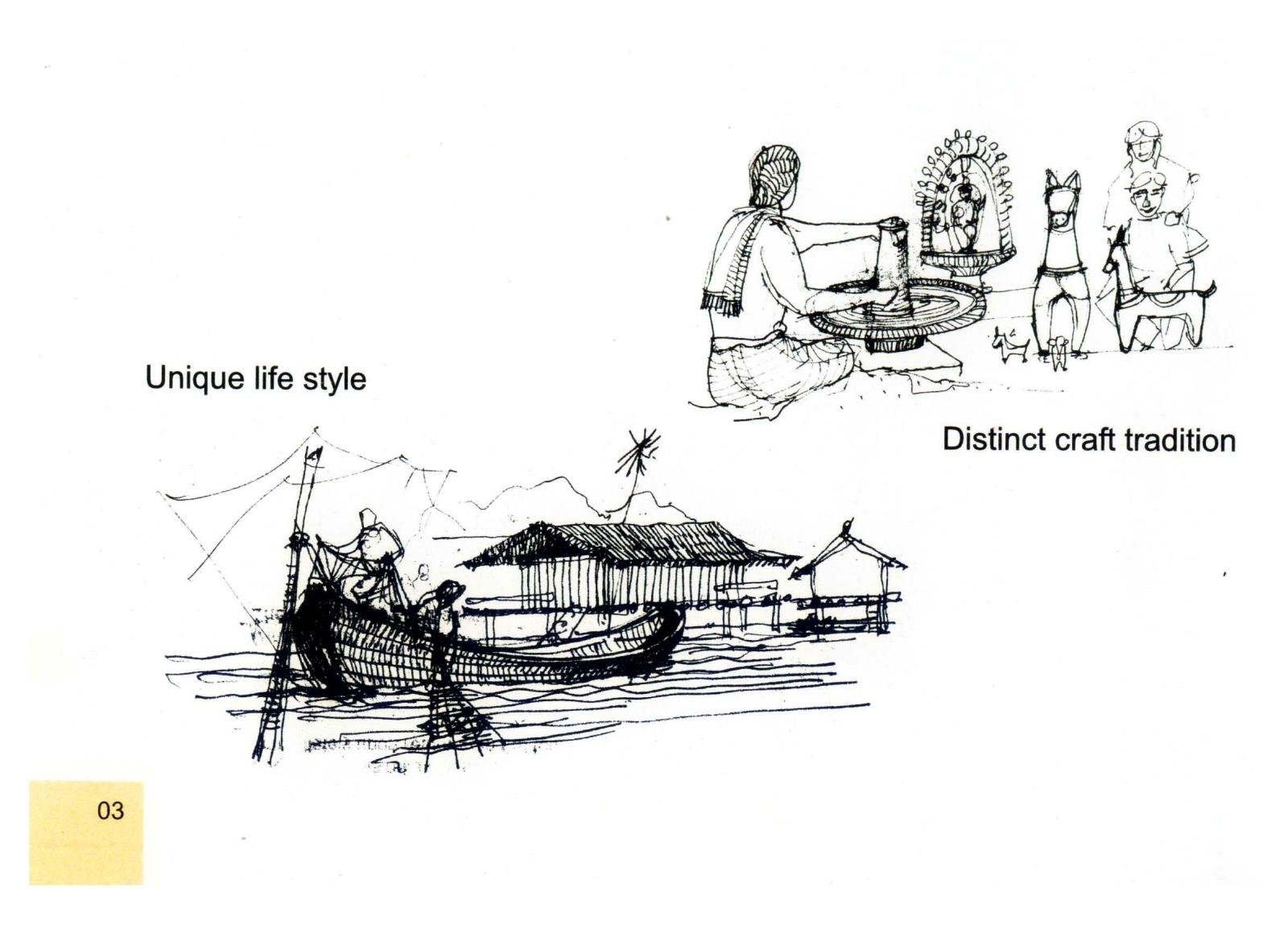
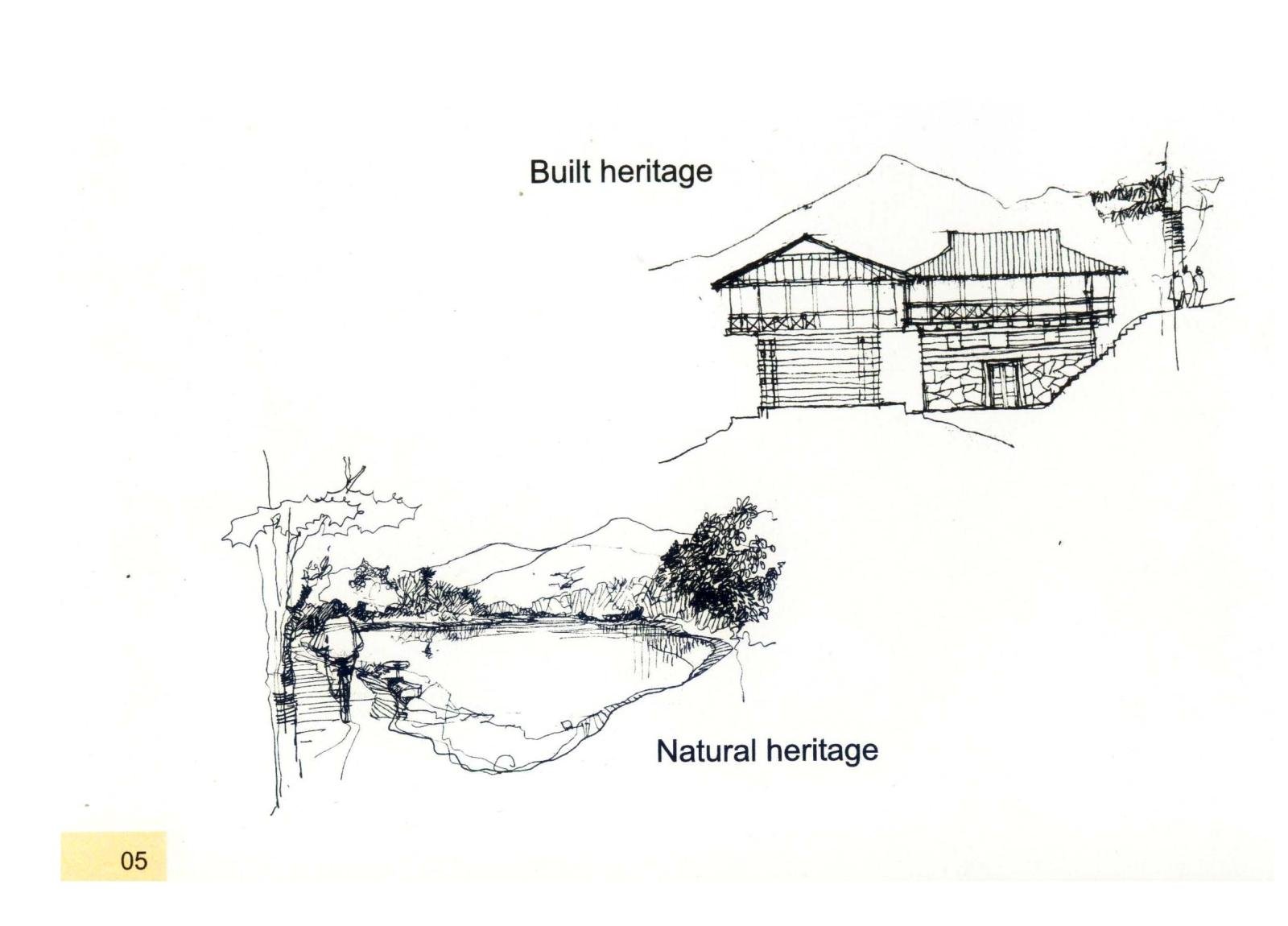
Unlike conventional tourism ventures that often compromise natural landscapes and erode socio-cultural distinctiveness, Grameen Anubhav positions these very qualities—local ecology, heritage, and cultural identity—as the primary assets that attract meaningful tourism.
Through case studies and illustrative examples, the manual outlines the roles, responsibilities, and interdependencies of the five principal stakeholders involved in community-based rural tourism: the local community, support groups and facilitating networks, local panchayat bodies, tourists, and the Ministry of Tourism.
The document further explores pathways for creating positive long-term impact, detailing implementation strategies, institutional mechanisms, and approaches to both hard and soft skill development within communities.
By foregrounding local agency and sustainable practice, Grameen Anubhav offers a robust framework for developing tourism initiatives that strengthen livelihoods while preserving the environmental and cultural character of rural India.
The project contributes significantly to the discourse on responsible tourism by promoting a model rooted in participation, sensitivity, and long-term resilience.
- Location: India
- Category: Research
- Client: Ministry of Tourism
- Year: 2010