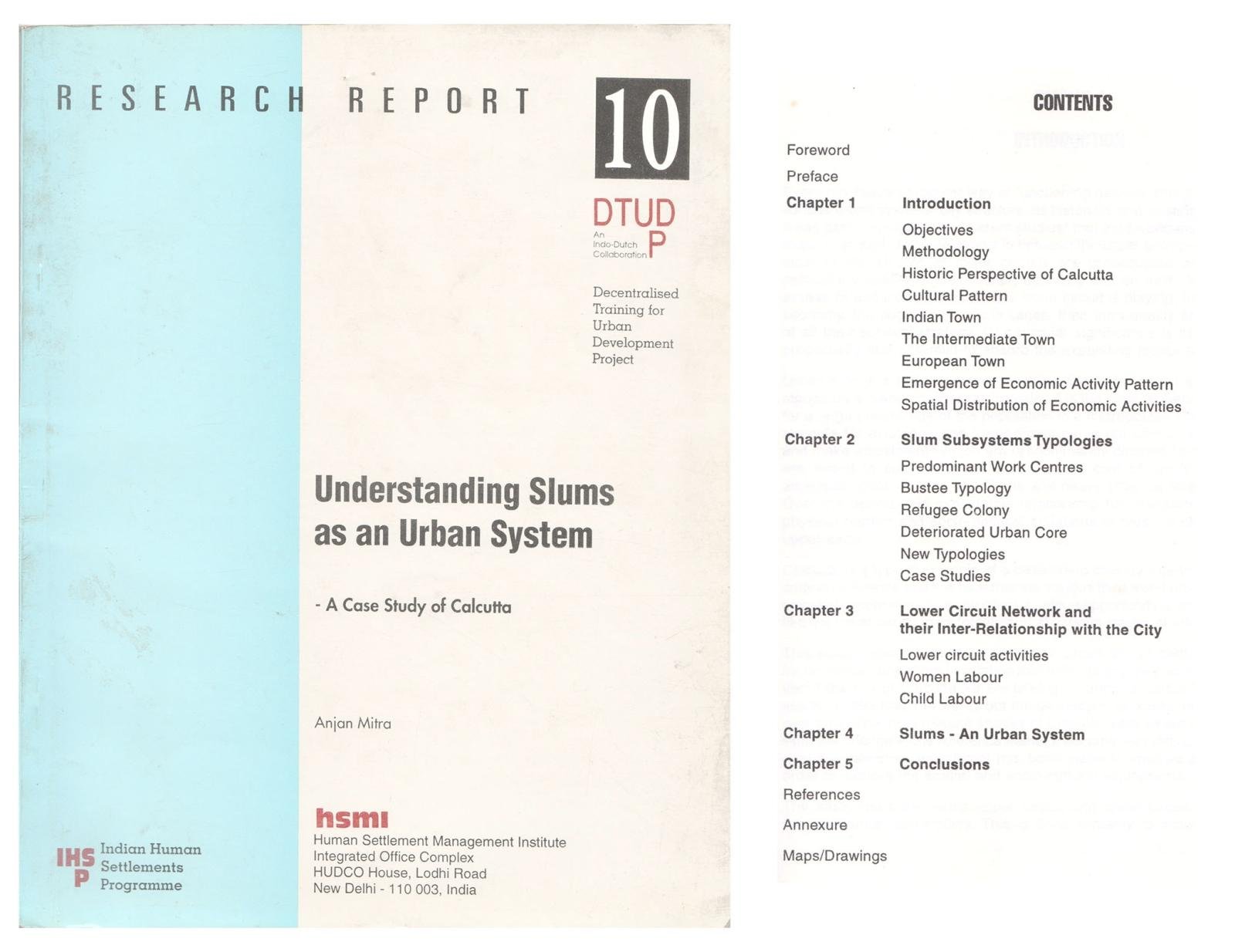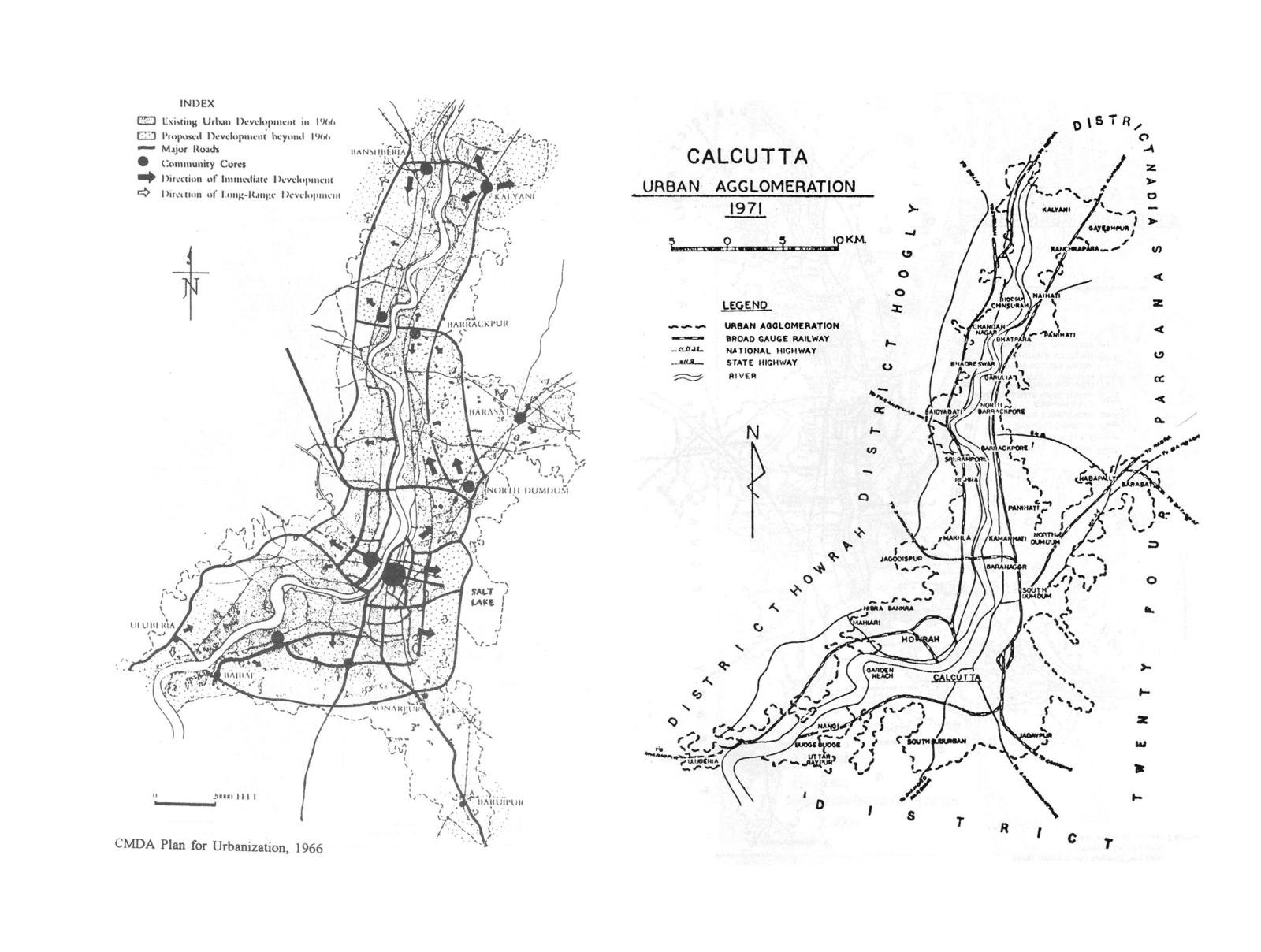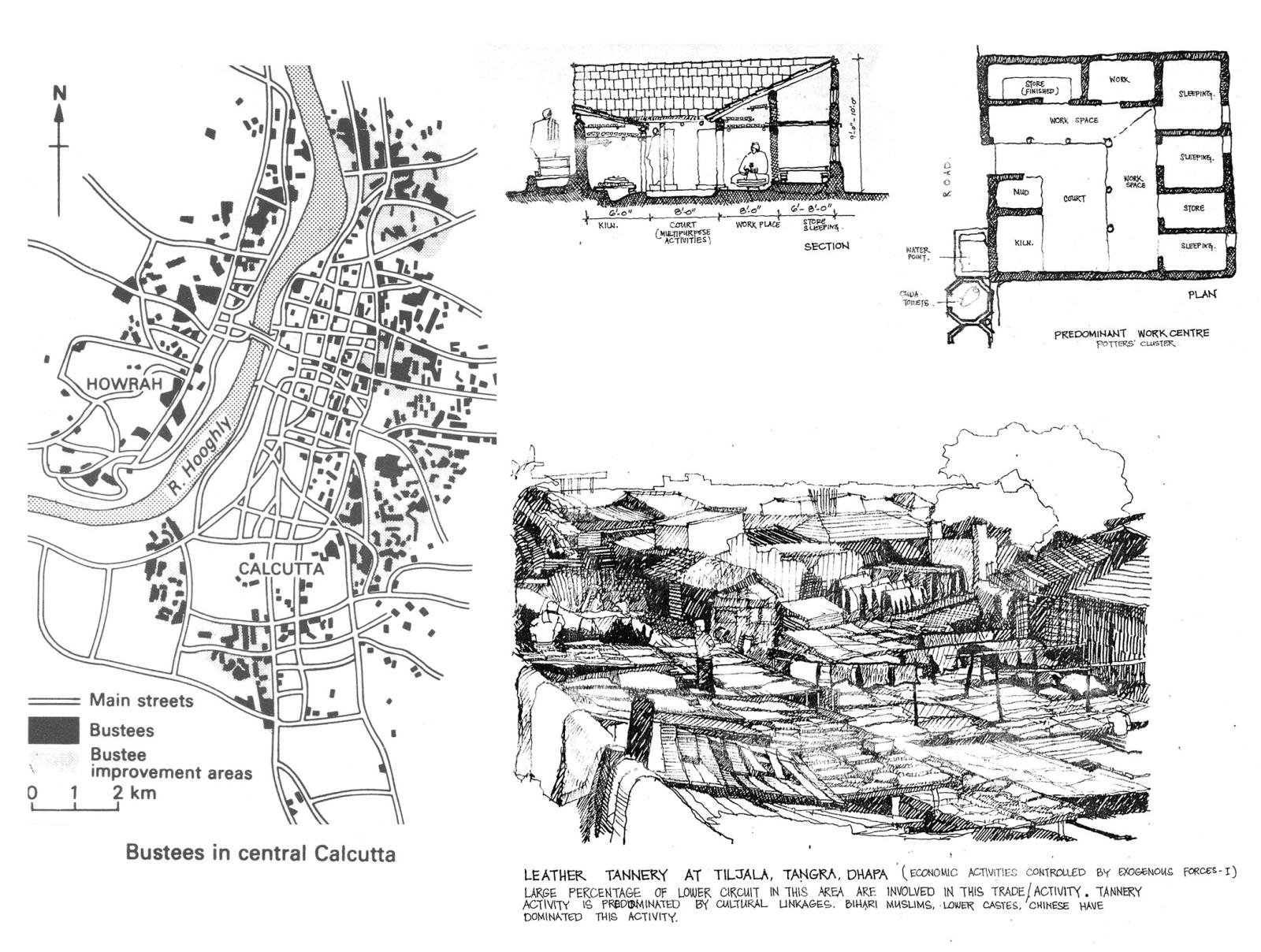
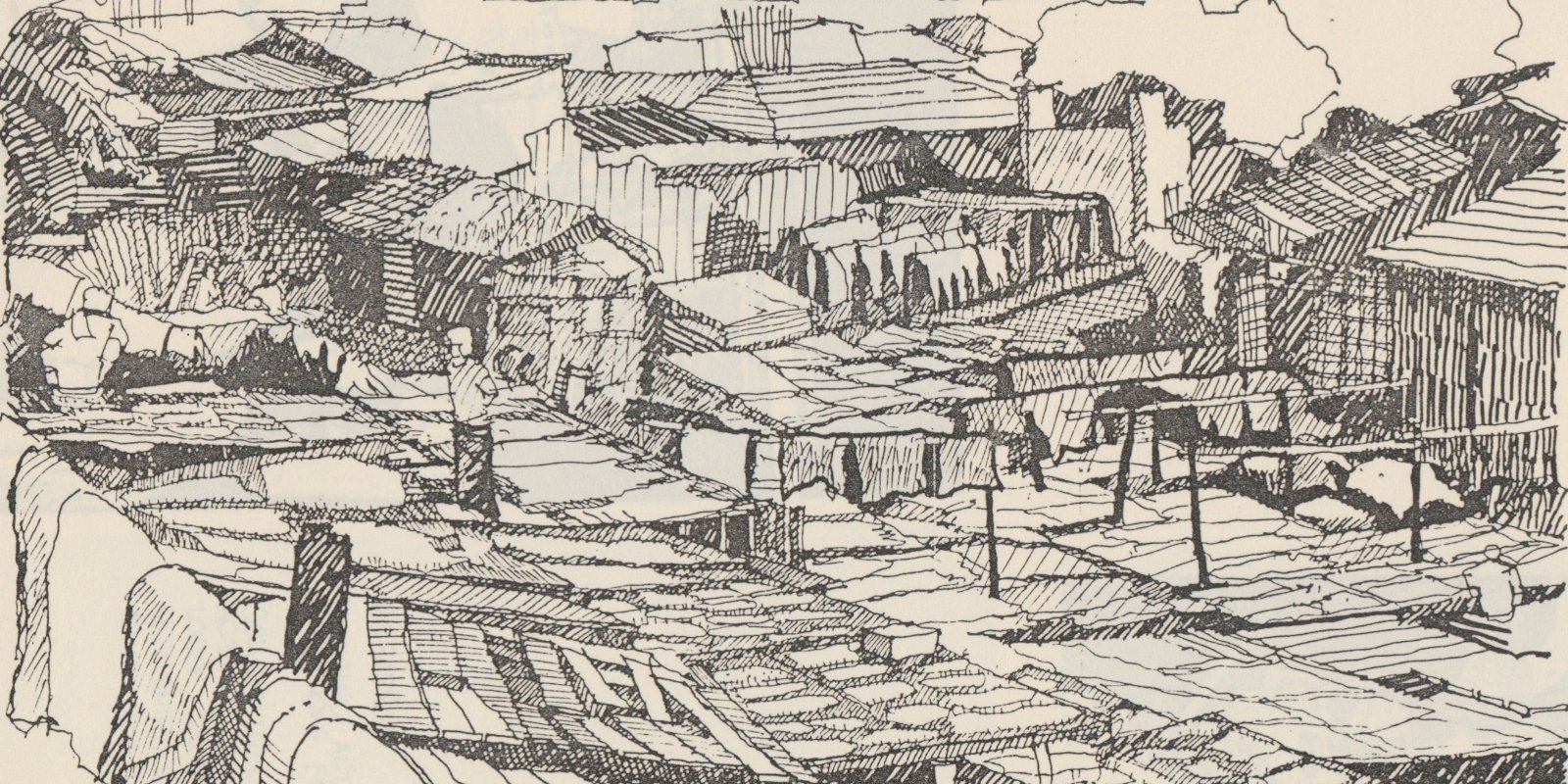
This research study examines the slums of Kolkata as integral components of the city’s larger urban system.
The project sought to foreground the critical role of the urban poor within Kolkata’s socio-economic framework and challenge conventional perceptions of informal settlements as isolated or peripheral urban conditions.
Instead, the study positions them as dynamic and indispensable contributors to the city’s economy, spatial organisation, and everyday functioning.
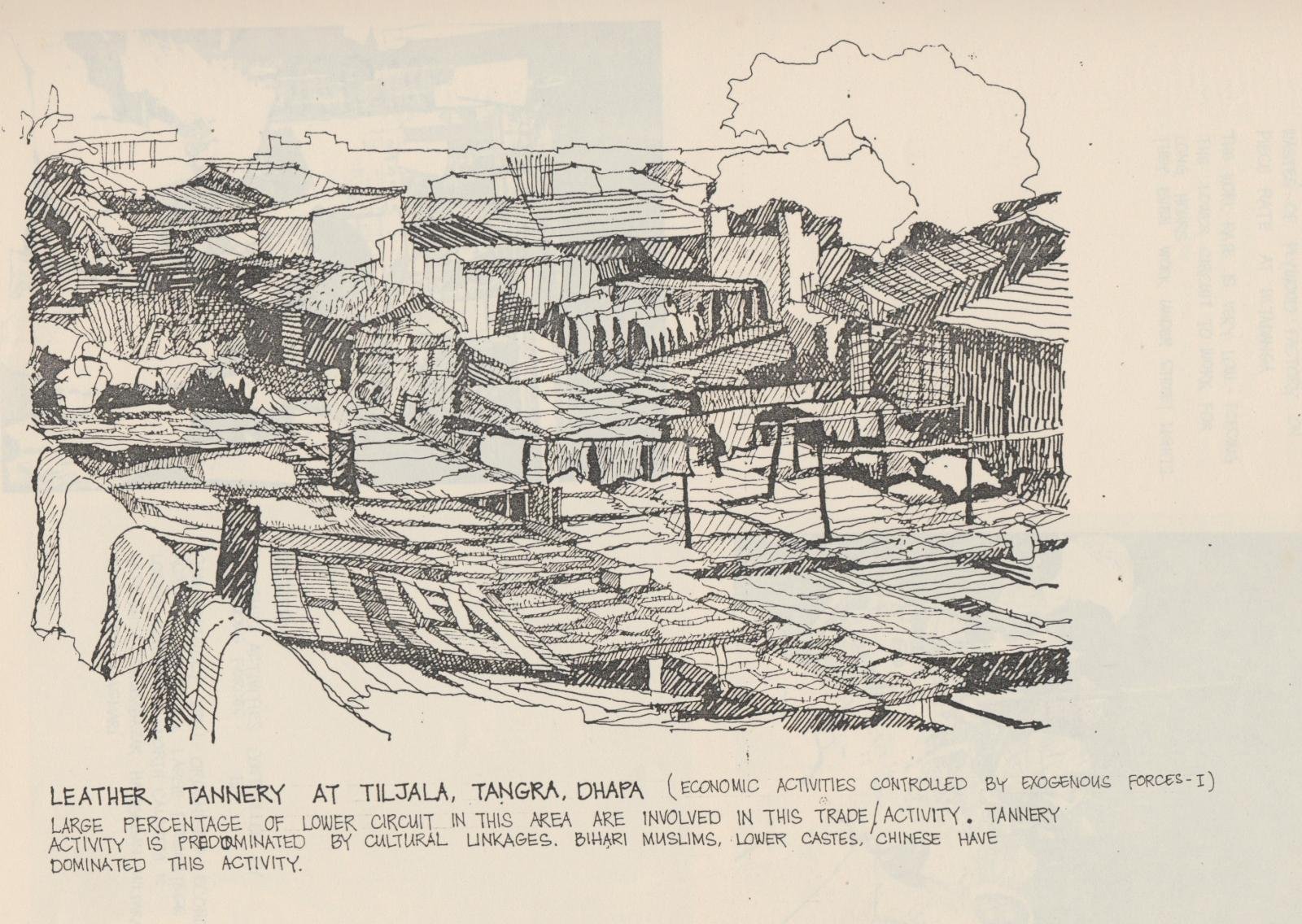
The research explores the lower circuits of the informal economy in relation to the broader formal economic structures of the city, highlighting the deep interdependencies that sustain urban life.
Beginning with a historical analysis of Kolkata’s urban evolution, the study traces the processes through which patterns of distribution, occupation, and economic networks have emerged and consolidated over time.
This historical framework enables a deeper understanding of how informal and formal systems have co-evolved, often in complex and mutually reinforcing ways.
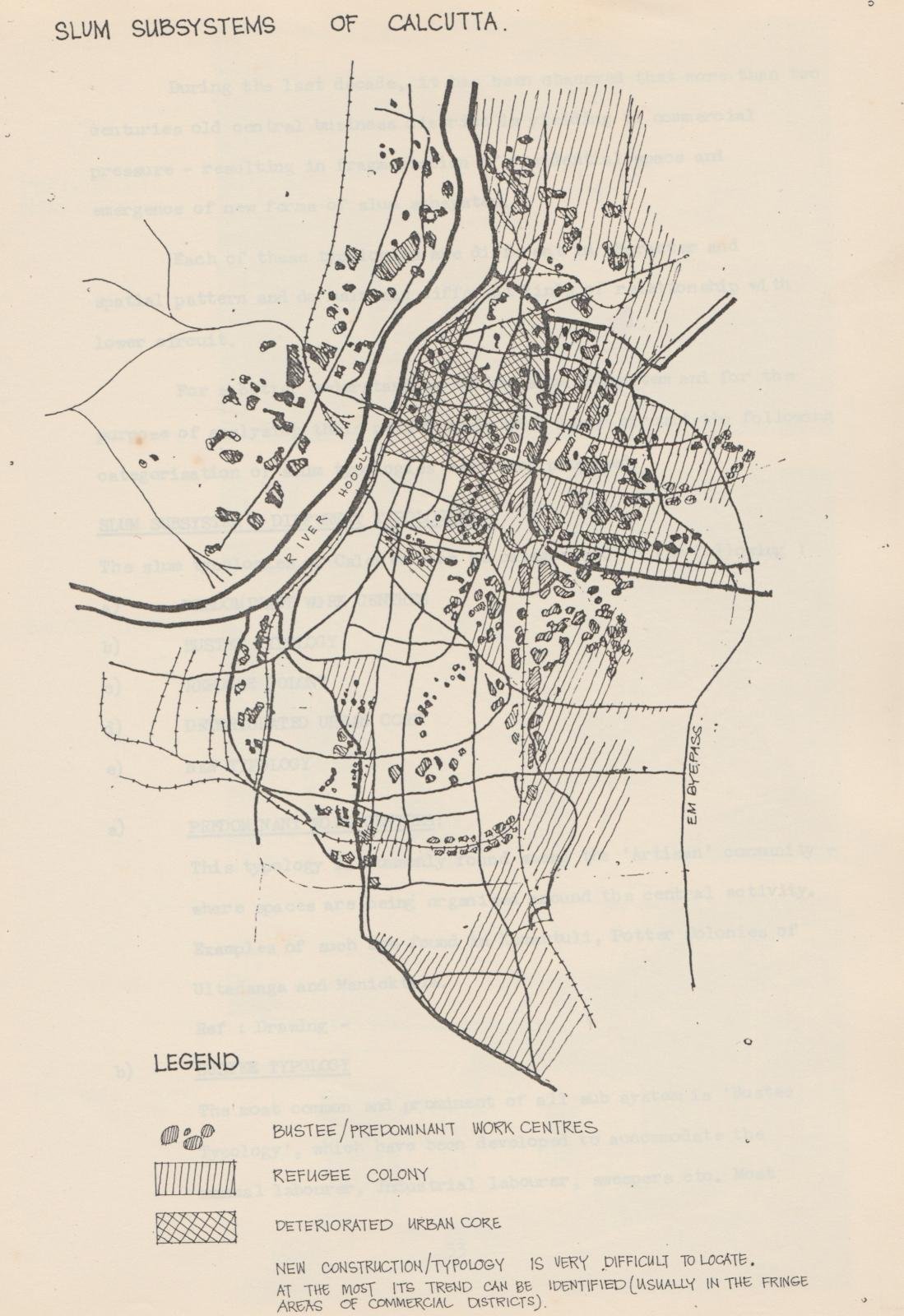
The study maps and analyses the relationships between these lower and upper economic circuits, demonstrating how informal settlements are woven into the operational fabric of the city.
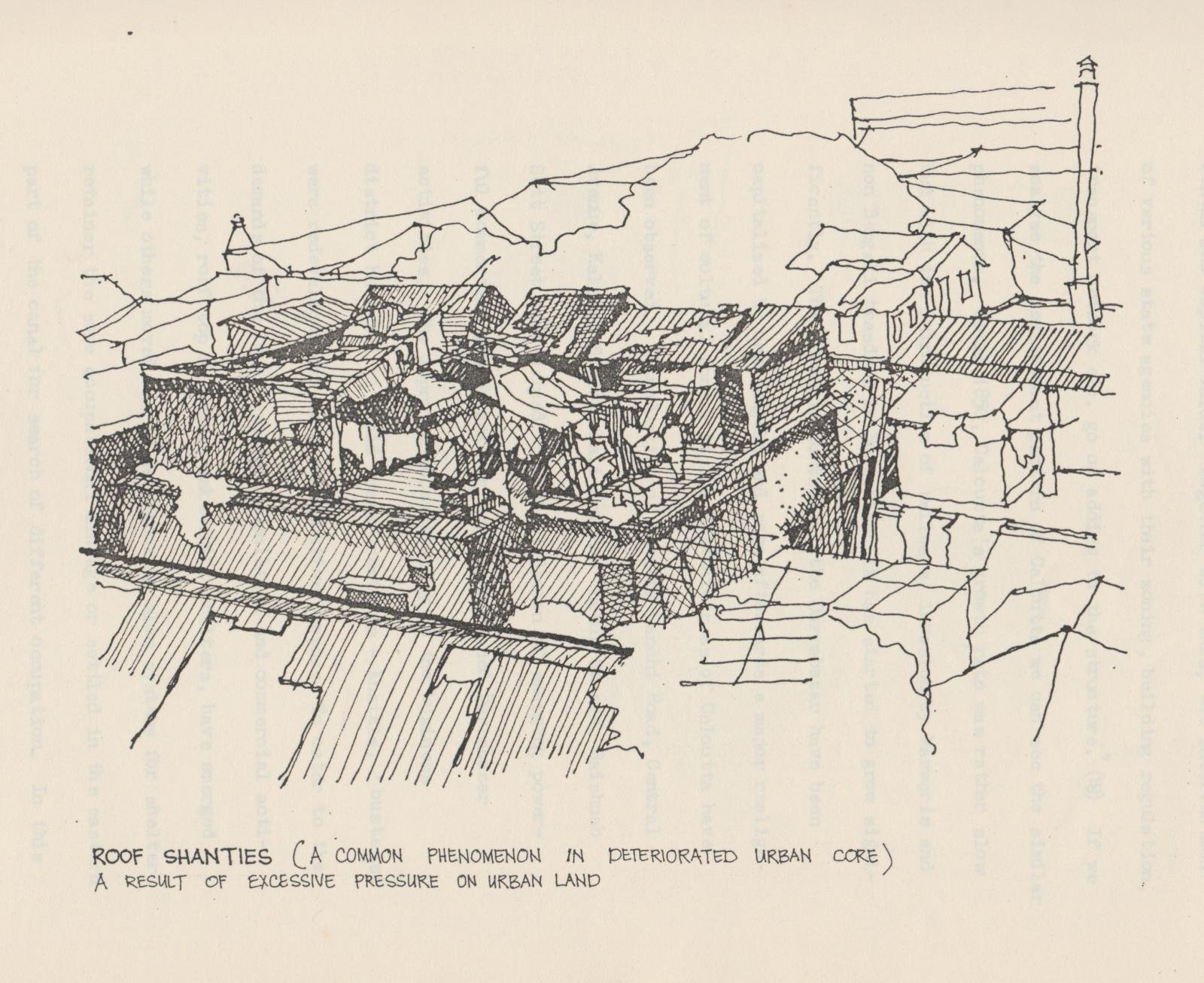
It highlights the ways in which these settlements negotiate space, support labour systems, enable economic exchange, and shape broader patterns of urban development.
By examining these interconnections, the research offers a more nuanced understanding of the spatial and socio-economic logic behind the distribution of slums across Kolkata.
The findings underscore the importance of recognising informal settlements as active urban systems rather than viewing them solely through the lens of deficit or deficiency.
The study was conceived as a knowledge resource for planners, policymakers, and administrators engaged in urban development, with the aim of supporting more grounded, inclusive, and holistic approaches to city-scale planning and intervention.
The project contributes to a broader discourse on equitable urban development by advocating for planning frameworks that acknowledge and integrate the realities of informal urbanism.
- Property/Project Name: Decentralised Training for Urban Development (Indo-Dutch Collaboration)
- Location: Kolkata
- Category: Research
- Client: Human Settlements Management Institute
- Year: 1992